
Spinal Injury
Superior Healthcare provides tailored, nurse-led home care for individuals living with spinal injuries and associated complex health needs.
Switch To Us
Care for people living with a spinal cord injury
We specialise in providing home care for children, young people, and adults with spinal injuries and associated complex health needs.
We are used to working with families, like our founders, who have had to make significant adjustments to their home and lifestyle following a life-changing incident or diagnosis.
Our expert care and nursing team support individuals with spinal injuries by providing clinical interventions and holistic wellbeing support, and helping them live safely and independently – on their own terms.
How we can help
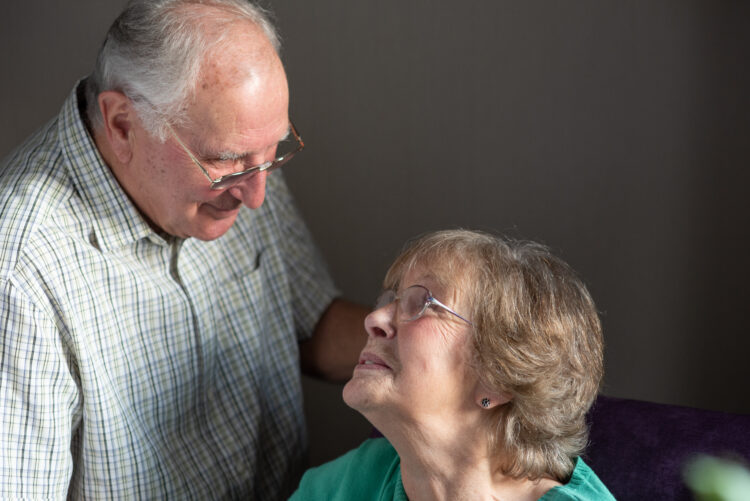
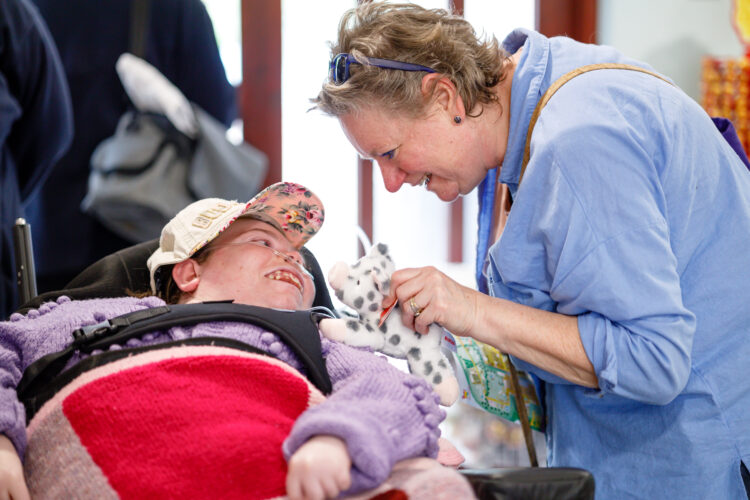
Our nurse-led team offers tailored home care for children, young people, and adults living with a spinal cord injury. Whether it’s day, night, or round-the-clock nursing support, we can help. We offer:
- Day or night care
- 24-hour care
- Live-in care
- Student support

Complex care brochure
Clinical support
We collaborate with hospitals, integrated care boards ICBs, and multidisciplinary teams – including respiratory specialists – across the UK to establish robust care packages and assist in the safe discharge of individuals from hospitals and rehabilitation centres to their homes as soon as possible.
We assist children, young people and adults living with spinal injuries to live well and safely by providing comprehensive clinical interventions and holistic wellbeing support. Our clinical support includes:

For us, it's personal
Superior Healthcare was founded in 2006, following our CEO’s own experience of locating a care package to support his brother, Alex, who sustained a traumatic brain injury at age 11.
Having experienced firsthand the importance of high-quality, compassionate, and consistent complex care, we are driven to ensure that everyone – including people living with a spinal cord injury – can live a fulfilled life, with fun, dignity, independence, and choice.
Contact UsMake a referral
Are you or a loved one living with a spinal injury?
Is your care funded by an NHS ICB, a county council, or a Case Manager or Financial Deputy? We can speak to them today about moving your care to Superior Healthcare.
To get started, complete the form or call us at 01227 774873.
Spinal injury care FAQs
What is the cost of care?
Superior Healthcare supports people and their families who are self-funding care or using a personal health budget.
If your care package is commissioned by and NHS ICB, a county council, or a Case Manager or Financial Deputy, we can talk to them about moving to us today.
To enquire about the cost of a package, click ‘Make a referral’ or call us at 01227 774873.
What training do you provide to your care team?
All our team members receive a five-day, in-depth, classroom-based training syllabus with practical workshops before being introduced to our clients.
The training covers all aspects of the Care Certificate and includes detailed instruction on the skills required to support complex client needs, such as tracheostomy management and gastrostomy.
Following your care needs assessment with one of our nurse managers, our learning and development team will create training for your care team or your loved one’s care needs.
Although you’ll have an experienced team, we know that what works for one person may not work for another. That’s why our teams are trained to support every individual’s unique care requirements.
Your care team will smoothly integrate into your life, with the support of a Nurse Manager and team leader. We pride ourselves on delivering high-quality, nurse-led care.
How can I arrange care?
Click ‘Make a referral’ or call us at 01227 774873.
What are the effects of a spinal cord injury?
The spinal cord carries messages from our brain which help us to move our body, feel pressure, and control vital functions like breathing, blood pressure, bladder, and bowels.
Damage to the spinal cord can be caused by a trauma, such as an accident, or by infection or disease. The higher up the spinal cord s damage the spinal cord, the more movement and sensation will be lost.
The level of care can depend on the level of injury, but may include hoisting, assistance with personal care and assistance with daily living.
Superior Healthcare provides client-specific care and support for people who have spinal injuries and associated conditions.
Spinal cord injury facts:
The extent of a spinal injury depends on two factors: the location of the injury along your spinal cord and the severity of injury to it.
The severity of the injury is often called “the completeness” and is classified as either of the following:
- Complete: If all feeling (sensory) and all ability to control movement (motor function) are lost below the spinal cord injury, your injury is called complete.
- Incomplete: If you have some motor or sensory function below the affected area, your injury is called incomplete. There are varying degrees of incomplete injury.
Additionally, paralysis from a spinal cord injury may be referred to as:
- Tetraplegia: Also known as quadriplegia, this means that your arms, hands, trunk, legs and pelvic organs are all affected by your spinal cord injury.
- Paraplegia: This paralysis affects all or part of the trunk, legs and pelvic organs.
Useful information:
- Spinal Injuries Association: https://www.spinal.co.uk/
- NHS: https://www.nhs.uk/conditions/paralysis/
- Carers UK: https://www.carersuk.org/