
Brain Injury
Superior Healthcare was founded following our CEO’s experience of finding a care package for his brother, Alex, who sustained a traumatic brain injury at age 11. Since then, we’ve provided nurse-led care to support people living with brain injuries.
Switch To Us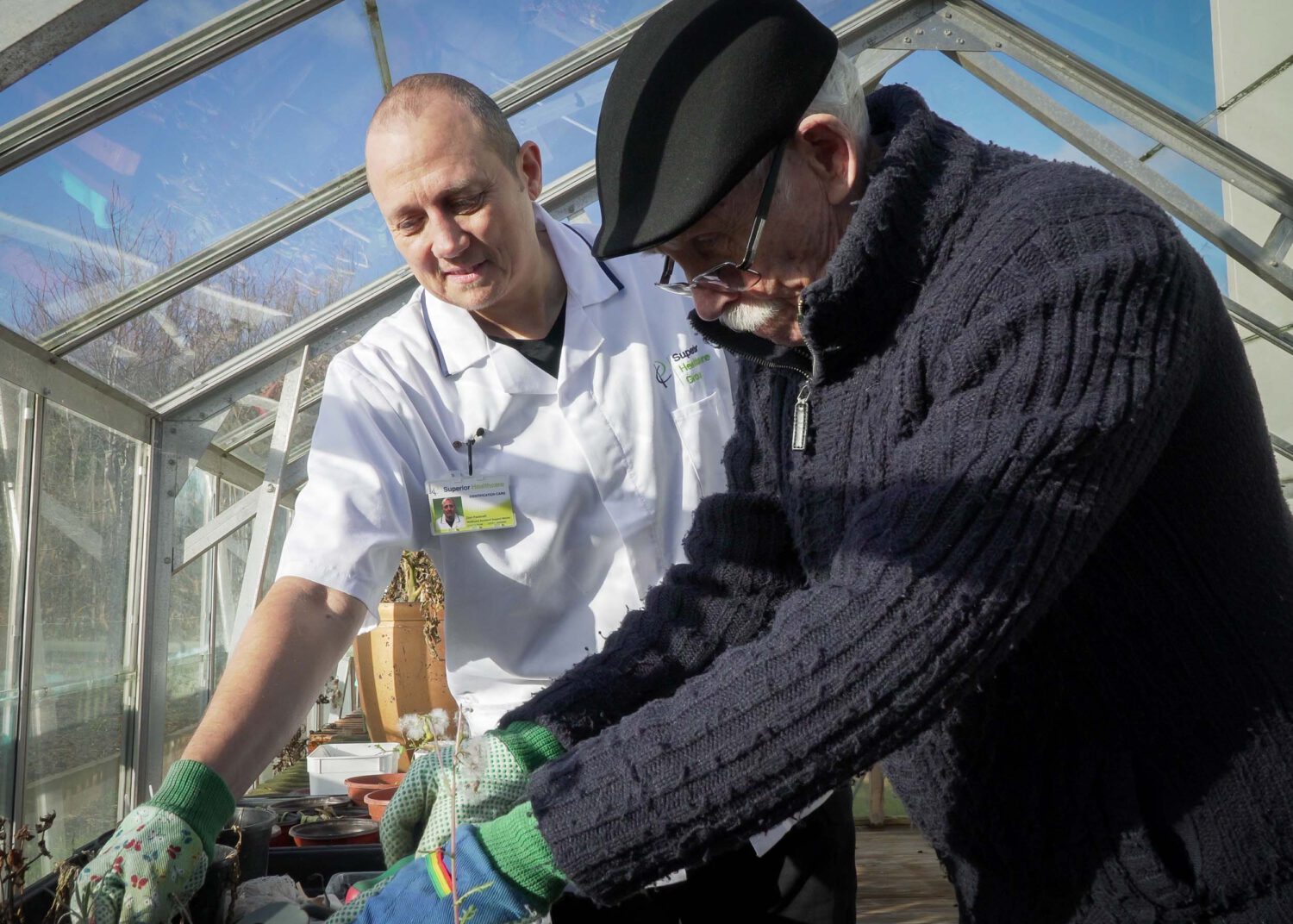
Care for people living with brain injuries
We understand what it takes to deliver exceptional care and rehabilitation for adults, young people, and children living with brain injuries.
Our approach is rooted in a deep, personal understanding of the diverse and unique needs of people with brain injuries.
We offer fully managed, nurse-led care that supports all aspects of a person’s needs – clinical, emotional, and social. No matter what type of assistance is needed, we provide comprehensive brain injury care that improves our client’s quality of life and supports rehabilitation outcomes when possible.

For us, it's personal
At 11 years old, Stewart’s brother Alex was in a major car accident. Initially, he relied on a tracheostomy and ventilator. What followed was 18 months of residential rehabilitation so Alex could relearn how to walk and talk.
While arranging at-home care for Alex, Stewart saw the need for a specialist provider that could continue Alex’s rehabilitation and integrate smoothly into family life.
Superior Healthcare was formed to fulfil this need and has since supported individuals across England with brain injuries, including those with cerebral palsy and stroke aftercare.
Arranging care for people living with brain injuries
When you commission Superior Healthcare to provide care for a person with a brain injury, a Nurse Manager with appropriate skills and experience is appointed to oversee a client’s care package.
Our team follows a personalised care plan that meets the client’s clinical, emotional, and social needs. Plans could include neuro-rehabilitation activities to help the client regain independence.
The Nurse Manager and expert care team tracks changes in the individual’s health, personal goals, and lifestyle. We adapt the care to meet evolving needs, ensuring the client’s wishes and rehabilitation goals remain at the centre of the care package.
Superior Healthcare offers tailored brain injury care, including day or night care, 24-hour nursing care, and live-in support.
Types of care
Appointed Nurse Manager

Tailored support plan

Handpicked care team

Rehabilitation
There is no better feeling than supporting a person to meet their independence goals and ambitions.
We strive to achieve successful rehabilitation outcomes where possible for people following a life-altering incident.
We take pride in knowing that the quality of our service has led to a reduction in care. For example, of our one client who initially required 24-hour care with double-handed support has successfully transitioned to a one-to-one care arrangement.
Our specialist team
From our founders’ experience, we know how important it is that care teams have an exceptional understanding of each client’s individual needs. This is particularly crucial when supporting people living with brain injuries.
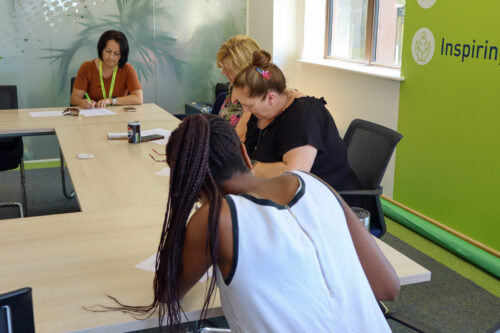
Specialist training
Drawing from Stewart’s personal experience, we recognise that having a care team in the family home can be challenging.
That’s why we provide extensive support to our care team, including client-specific training, extensive shadow shifts, and employee well-being support, ensuring our clients care packages are set up for success.
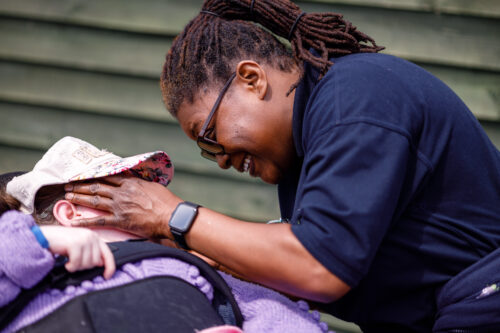
Nurse managers
We know that having a strong, ongoing relationship with our clients and their families is the key to a successful care package.
By keeping our nurse managers’ case-loads at a manageable level, we ensure that they have enough time to effectively support our client’s care and nursing teams and build trusted relationships with clients.
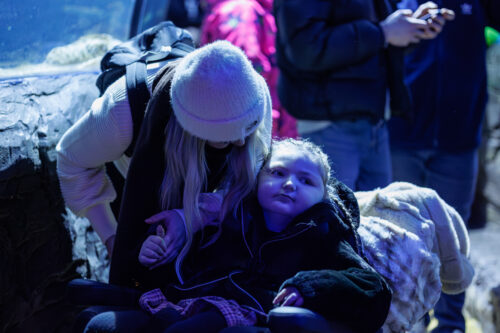
Working together
Family involvement lies at the core of our approach. Our nurse managers are committed to ensuring families receive robust support that works for everyone.
We collaborate with the multidisciplinary teams, therapy providers, and community support services involved in providing an client’s complex care.
Clinical interventions
We know that people living with acquired or traumatic brain injuries may need clinical interventions to live well. Our team has the expertise to support children, young people, and adults who:
Client testimonials
We’ve supported many clients to live well with brain injuries. Discover why our clients and their families trust us.

Make a referral
Are you an individual looking for a care package for yourself or a loved one?
If your care package is commissioned by an NHS ICB, a county council, or a Case Manager or Financial Deputy, we can talk to them about moving to us today.
Alternatively, call us at 01227 774873
Brain injury care FAQs
Do you operate across the UK?
Superior Healthcare is regulated by the Care Quality Commission to provide care exclusively in England. We support both adults and children throughout the country.
How can I switch care providers to Superior Healthcare?
If your care package is commissioned by an NHS ICB, a county council, or a Case Manager or Financial Deputy, we can talk to them about moving to us today.
The commissioning decision depends on the arrangements with the ICB or local authority providing your care.
How do I transfer some of the team working in a CHC-funded care package to Superior Healthcare?
When transferring a care package, we conduct a transfer of undertakings (TUPE) assessment. Typically, employees can transfer while retaining their existing benefits and employment terms, ensuring a smooth transition.
How do you recruit and retain care and nursing teams?
Superior Healthcare employs a team of trained carers, support workers, and nurses – including children’s nurses – who are recruited to meet our clients’ individual needs.
We complete stringent pre-employment checks and provide comprehensive induction, ongoing training, and wellbeing support:
- We apply for Enhanced DBS checks for all members of our care team and complete annual update checks via the DBS Update Service.
- We verify employees’ complete career history and obtain employer references covering at least the past three years’ employment.
- Superior Healthcare provides comprehensive induction programmes which are delivered in our classroom locations and facilitated by our team of experienced and qualified trainers.
- Our team members take part in ongoing training and continuing professional development opportunities, including Level 2/3 Diplomas in Health and Social Care.
- We proactively support our employees – every member of the Superior Healthcare team has access to a comprehensive Employee Assistance Programme, with additional wellbeing support offered by our in-house wellbeing team.
- We offer our team members the opportunity to be employed on either a flexible or permanent basis, which this helps us to build contingency and resilience for our clients.
As an employer, we support our care professionals as much as we possibly can, to retain experienced care professionals and build successful, resilient teams.
Our carers and nurses enjoy the work they do and often become long-standing members of our clients’ teams.
Brain injury facts
A brain injury occurs from an incident or accident that has damaged one or more areas of the brain being damaged, resulting in learning disabilities or loss of cognition. This in turn can have an impact on a person’s physical movement and daily living skills.
Care required may include assisting with personal care or prompting and assisting with daily tasks that they could independently do before the injury. Some of our clients may have a specific daily routine or therapy programme that they need to follow.
Types of brain injury
There are many causes of brain injury which Headway – the brain injury association, lists:
- Acquired brain injury (ABI) – an injury caused to the brain since birth that is not caused by a congenital defect or a degenerative disease and is not hereditary in nature
- Traumatic brain injury (TBI) – an injury to the brain caused by a trauma to the head (head injury); possible causes include road traffic accidents, assaults, falls, and accidents at home or at work
- Brain aneurysm
- Brain haemorrhage
- Brain tumour
- Carbon monoxide poisoning
- Encephalitis
- Hydrocephalus
- Hypoxic and anoxic brain injury
- Meningitis
- Stroke
External useful support
- Headway: https://www.headway.org.uk
- Carers UK: https://www.carersuk.org/