
Cerebral Palsy
Superior Healthcare provides tailored, nurse-led care for children, young people, and adults who have cerebral palsy and live with associated complex health needs.
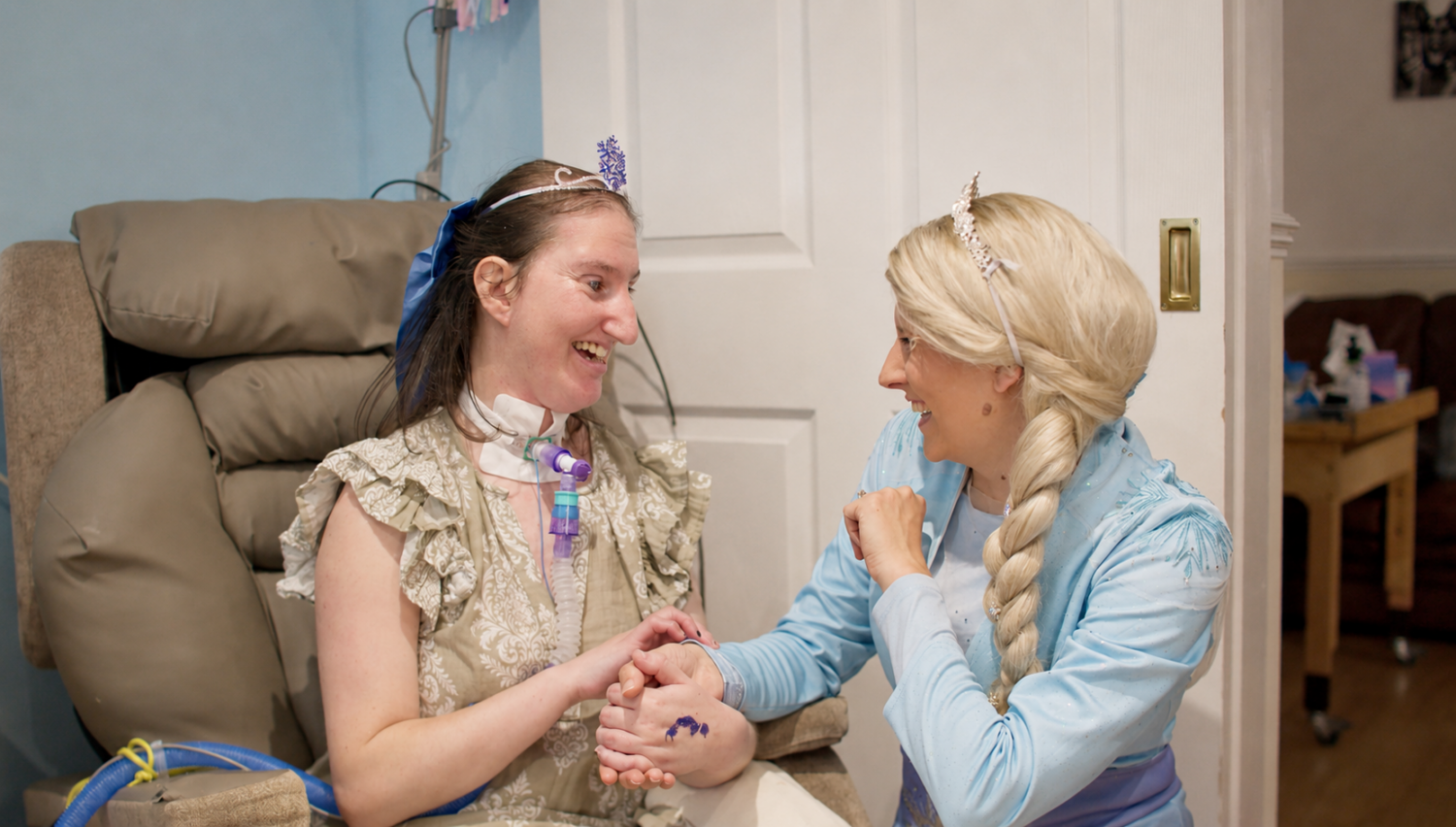
Cerebral palsy care at home
We create sustainable complex care packages that clients and their families can rely on 24 hours a day, 365 days a year.
Our expert care and nursing team supports individuals with cerebral palsy by providing clinical interventions and holistic well-being support, helping clients live safely, and independently – on their own terms.
The care provided depends on the type of cerebral palsy the client has – spastic, dyskinetic, or ataxic – and how their cerebral palsy presents. This could include assistance with, for example, personal care, moving and hoisting, nutritional care, stoma care, or an epilepsy support plan.

How we can help
Our nurse-led team offers tailored home care for children, young people, and adults – as well as respite for families. Whether it’s day or night care, 24-hour nursing care, or student support, we can help. We offer:
- Day or night care
- 24-hour care
- Live-in care
- Student support

Complex care brochure
Specialist cerebral palsy support
Beyond clinical care, our teams often collaborate with occupational therapists and physiotherapists to help children and young people improve their coordination, strength, and balance. An example of this could be, breaking down everyday tasks to assist clients find new ways to complete them – boosting their confidence and independence. Many of the adults with cerebral palsy we support lead active lives. Our experienced team helps individuals attend college, and live independently with purpose.
Superior Healthcare can provide a range of clinical interventions for children, young people and adults, including:

For us, it's personal
Superior Healthcare was founded in 2006, following our CEO’s own experience of locating a care package to support his brother, Alex, who sustained a traumatic brain injury at age 11.
Having experienced firsthand the importance of high-quality, compassionate, and consistent complex care, we are driven to ensure that everyone can live a fulfilled life, with fun, dignity, independence, and choice.
Our StoryMake a referral
Are you an individual looking for a care package for yourself or a loved one?
If your care package is commissioned by an NHS ICB, a county council, or a Case Manager or Financial Deputy, we can talk to them about moving to us today.
Alternatively, call us at 01227 774873
Cerebral palsy FAQs
What is the cost of care?
Superior Healthcare supports people and their families who are self-funding care and or using a personal health budget.
If your care package is commissioned by an NHS ICB, a county council, or a Case Manager or Financial Deputy, we can talk to them about moving to us today.
To enquire about the cost of a package, click ‘Make a referral’ or call us at 01227 774873.
What training do you provide to your care team?
All our team members receive a five-day, in-depth, classroom-based training syllabus with practical workshops before being introduced to our clients.
The training covers all aspects of the Care Certificate and includes detailed instruction on the skills required to support complex client needs, such as tracheostomy management and gastrostomy. Individual, client-focused training continues after the initial classroom induction.
How can I arrange care?
Click ‘Make a referral’ or call us at 01227 774873.
What are the different types of cerebral palsy?
There are 3 main types of Cerebral Palsy. Many people will have a mixture of these.
Spastic cerebral palsy
Spasticity means the muscle tone is tight and stiff. This reduces a person’s range of movement. As the muscle tone is so tight, spasticity can be very painful, with muscles often going into spasm. It can affect different areas of the body.
Dyskinetic cerebral palsy
Sometimes called dystonic, athetoid, or choreoathetoid cerebral palsy, dyskinetic CP causes uncontrolled, involuntary, sustained or intermittent muscle contractions. It may be difficult to maintain an upright position. The person may find it difficult to control the tongue, vocal chords, and breathing, which may affect their speech and language.
Ataxic cerebral palsy
Ataxia is defined as an inability to activate the correct pattern of muscles during movement. This affects balance and spatial awareness. It can make it difficult to judge your body position in relation to things around you. Ataxia can affect the whole body. Most people with ataxia can walk but they will be unsteady with shaky movements. Ataxia can also affect speech and language.
(Source: Scope)
Cerebral palsy statistics
In the UK, about 150 children are diagnosed with Cerebral Palsy every month.
- People with cerebral palsy have it all their lives.
- Cerebral palsy is caused by an injury to the brain. The brain does not get worse, but the effects of cerebral palsy may increase with age.
- In the UK, cerebral palsy affects about one in every 400 children.
(Source: Scope)