
Epilepsy
Superior Healthcare provides tailored, nurse-led home care for children, young people, and adults living with epilepsy and associated complex health needs.
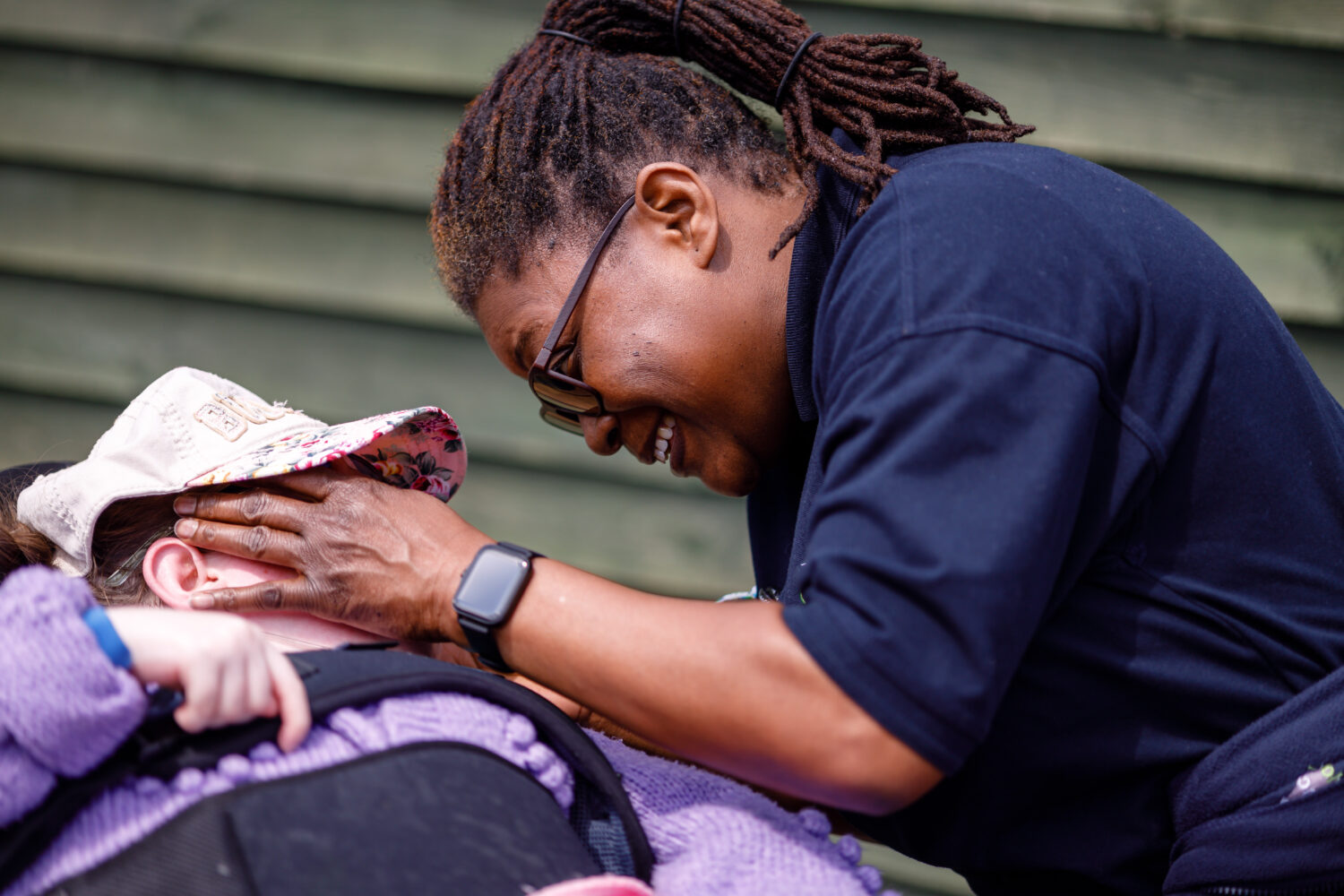
Care for people living with epilepsy
We provide care packages that support people living with epilepsy to have the best possible seizure control and lead fulfilling lives while effectively balancing and managing risks.
Many of the people we support have additional care needs, such as physical and learning disabilities, brain injuries, or autism.
Our nurse-led teams provide specialist epilepsy care for people with specific epilepsy syndromes, such as Lennox-Gastaut syndrome, Dravet syndrome, and Rett syndrome, as well as for those who experience non-epileptic seizures.
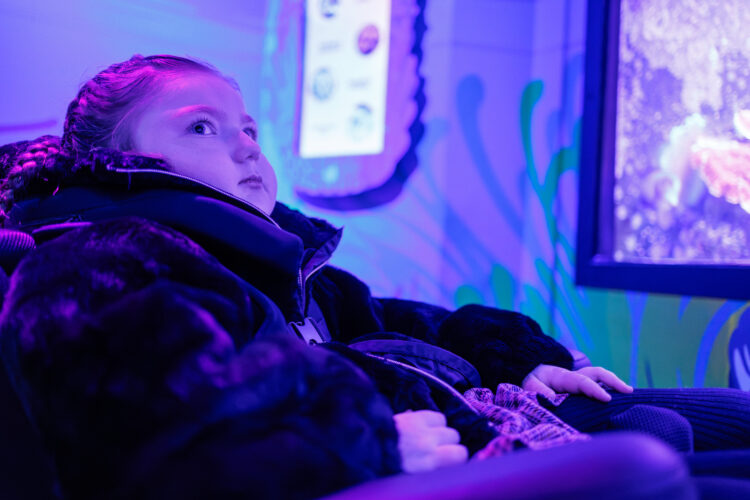
How we can help
Our nurse-led team offers tailored home care for children, young people, and adults – as well as respite for families. Whether it’s day, night, 24-hour nursing care, or student support, we can help. We offer:
- Day or night care
- 24-hour care
- Live-in care
- Student support
Complex care brochure
Clinical support
We recognise that children, young people, and adults living with epilepsy may also need clinical interventions to address additional complex care needs. Our clinical support services include:

For us, it's personal
Superior Healthcare was founded in 2006, following our CEO’s own experience of locating a care package to support his brother, Alex, who sustained a traumatic brain injury at age 11.
Having experienced firsthand the importance of high-quality, compassionate, and consistent complex care, we are driven to ensure that everyone – including people living with epilepsy – can live a fulfilled life, with fun, dignity, independence, and choice.
Our StoryMake a referral
Are you or a loved one living with epilepsy and in need of care?
If your care is funded by an NHS ICB, a county council, or a Case Manager or Financial Deputy, we can assist you in transitioning to our services today.
To get started, complete the form or call us at 01227 774873
Epilepsy FAQs
How much does epilepsy care cost?
Superior Healthcare supports people and their families who are self-funding or using a personal health budget.
If your care package is commissioned by an NHS ICB, a County Council, or a Case Manager or Financial Deputy, we can talk to them about moving to us today.
To enquire about the cost of a package, click ‘Make a referral’ or call us at 01227 774873.
What training do you provide to your care team?
All our team members receive a five-day, in-depth, classroom-based training syllabus with practical workshops before being introduced to our clients.
The training covers all aspects of the Care Certificate and includes detailed instruction on the skills required to support complex client needs, such as tracheostomy management and gastrostomy.
Individual, client-focused training continues after the initial classroom induction.
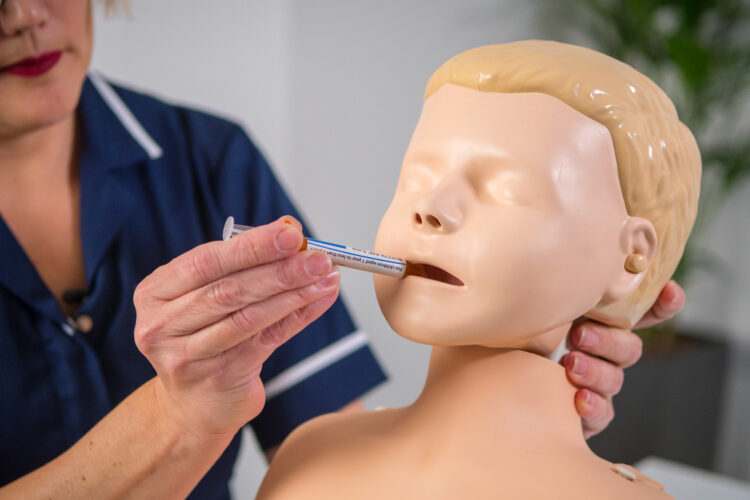
All care team members who support a client with epilepsy have comprehensive Epilepsy with Rescue Medication Administration Training.
How can I arrange care?
Click ‘Make a referral’ or call us at 01227 774873.
What is epilepsy?
Epilepsy is a neurological and physical condition that affects both the body and the brain. It is not just one condition, but a group of many different ‘epilepsies’ and can present in different ways. Generally, all people living with epilepsy have seizures that start in the brain.
Some people may become unconscious during their seizures. Seizures can range from absent to full tonic-clonic (all limbs jerking), lasting anything from a few seconds up to prolonged periods of time (status epilepticus).
Epilepsy facts:
- Epilepsy is usually only diagnosed after a person has had more than one seizure. Not all seizures are due to epilepsy. Other conditions that can look like epilepsy include fainting, and very low blood sugar in some people being treated for diabetes.
- Anyone can develop epilepsy, at any time of life.
- Epilepsy is most commonly diagnosed in children and in people over 65.
- The causes of different epilepsies can be complex and sometimes hard to identify, but may include a genetic tendency, a structural change in the brain, or a combination of both.
- Most seizures happen suddenly without warning, last a short time (a few seconds or minutes) and stop by themselves.
- Some people have seizures when they are awake, called ‘awake seizures’. Some people have seizures while they are asleep, called ‘asleep seizures’ (or ‘nocturnal seizures’). The names ‘awake’ and ‘asleep’ do not explain the type of seizure, only when the seizure happens.
(Source: Epilepsy Society)
Epilepsy statistics:
- One in 20 people will have a one-off epileptic seizure at some point in their life (although this does not necessarily mean that they have epilepsy).
- One in 50 people will have epilepsy at some time in their life (but not everyone with epilepsy will have it for life).
- Around 87 people are diagnosed with epilepsy every day.
- Over 500,000 people in the UK have epilepsy. That’s about one in every 100 people. There are around 60 million people with epilepsy in the world.
- Only up to 3% of people with epilepsy will be affected by flashing lights (called photosensitive epilepsy), so most people with epilepsy do not have seizures triggered by flashing lights.
(Source: Epilepsy Society)
Useful information:
- Epilepsy Society: https://www.epilepsysociety.org.uk/
- NHS: https://www.nhs.uk/conditions/what-to-do-if-someone-has-a-seizure-fit/
- Carers UK: https://www.carersuk.org/