
Stroke
Superior Healthcare provides tailored, nurse-led home care for children, young people, and adults who have experienced a stroke and require care to live independently.
Switch To Us
Care following a stroke
Superior Healthcare assists people who have experienced a stroke and require clinical, emotional and social care support to live safely and independently at home.
We are used to working with families, like our founders, who have had to make significant adjustments to their home and lifestyle following a life-changing incident or diagnosis.
Our person-centred home care supports children, young people and adults to live well following a stroke, reach rehabilitation goals, and minimise the risk of future strokes.
How we can help
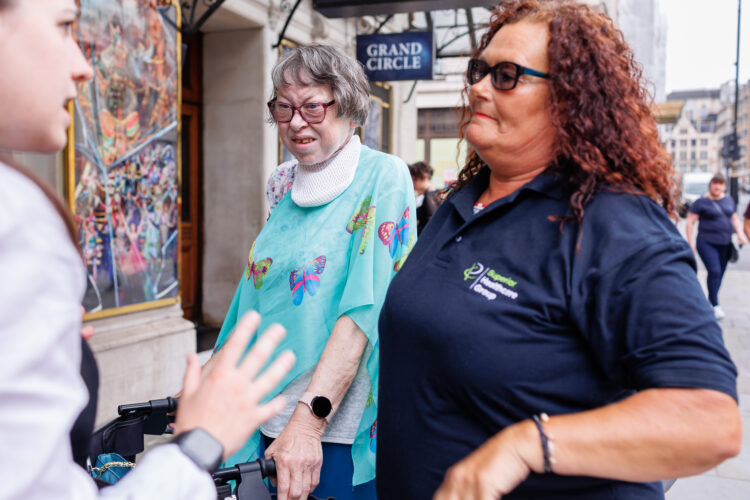
Our nurse-led team offers tailored home care for children, young people, and adults – as well as respite for families. Whether it’s day or night care, 24-hour nursing support, or student support, we can help. We offer:
- Day or night care
- 24-hour care
- Live-in care
- Student support
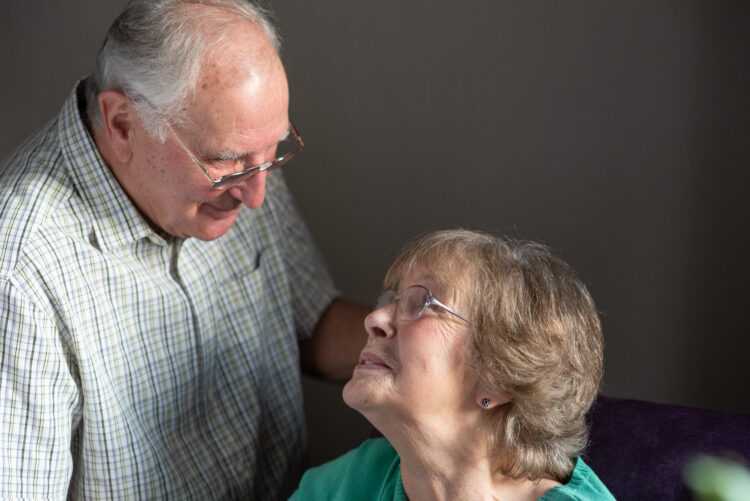

Complex care brochure
Clinical support
By providing clinical and wellbeing support, we assist children, young people, and adults to live well after a stroke. The clinical interventions we can provide include:
For us, it's personal
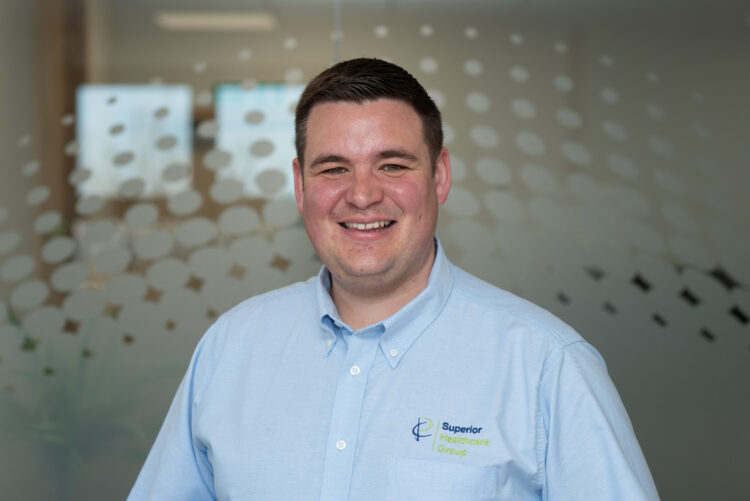
Superior Healthcare was founded in 2006, following our CEO’s own experience of locating a care package to support his brother, Alex, who sustained a traumatic brain injury at age 11.
Having experienced firsthand the importance of high-quality, compassionate, and consistent complex care, we are driven to ensure that everyone – including people who have experienced a storke – can live a fulfilled life, with fun, dignity, independence, and choice.
Our StoryMake a referral
Are you or a loved one in need of day, night, live-in, or 24-hour care following a stroke?
If your care is funded by an NHS ICB, a county council, or a Case Manager or Financial Deputy, we can facilitate transferring your care to Superior Healthcare.
To get started, complete the form or call us at 01227 774873.
Stroke care FAQs
How much does care cost?
Superior Healthcare supports people and their families who are self-funding their care or using a personal health budget.
If your care package is commissioned by an NHS ICB, a county council, or a Case Manager or Financial Deputy, we can talk to them about moving to us today.
To enquire about the cost of a package, click ‘Make a referral’ or call us at 01227 774873.
What training do you provide to your care team?
All of our team members receive a five-day, in-depth, classroom-based training syllabus with practical workshops before being introduced to our clients.
The training covers all aspects of the Care Certificate and includes detailed instruction on the skills required to support complex client needs, such as tracheostomy management and gastrostomy.
Individual, client-focused training continues after the initial classroom induction.
How can I arrange care?
Click ‘Make a referral’ or call us at 01227 774873.
What is a stroke?
A stroke is a serious, life-threatening medical condition that happens when the blood supply to part of the brain is cut off.
People who survive a stroke are often left with long-term problems caused by injury to their brain. Some people need a long period of rehabilitation to recover their independence, while many never fully recover and need ongoing support after their stroke.
Superior Healthcare supports people who have experienced a stroke to maintain their independence at home, with the support of our experience nurse managers, specialist support workers, healthcare assistants, and nurses, who have all completed specialist training.
Stroke facts:
Stroke strikes every five minutes in the UK. It can happen to anyone, of any age, at any time.
The main symptoms of stroke can be remembered with the word acronym FAST:
- Face – The face may have dropped on one side, the person may not be able to smile, or their mouth or eye may have dropped.
- Arms – The person may not be able to lift both arms and keep them there, because of weakness or numbness in 1 arm.
- Speech – Their speech may be slurred or garbled, or the may not be able to talk at all despite appearing to be awake; They may also have problems understanding what you’re saying to them.
- Time – It’s time to dial 999 immediately if you see any of these signs or symptoms.
Symptoms of stroke
The FAST test helps to spot the three most common symptoms of stroke. But there are other signs that you should always take seriously. These include:
- Sudden weakness or numbness on one side of the body, including legs, hands, or feet
- Difficulty finding words or speaking in clear sentences
- Sudden blurred vision or loss of sight in one or both eyes
- Sudden memory loss or confusion, and dizziness or a sudden fall
- A sudden, severe headache
(Source: Stroke Association)
Useful information:
- Stroke Association UK: https://www.stroke.org.uk/
- NHS: https://www.nhs.uk/conditions/stroke/
- Carers UK: https://www.carersuk.org/