
Complex Care for Children
We provide expert, nurse-led paediatric care, supporting children and young people to live at home in their community and access opportunities without compromising on quality care.
Switch To Us
Children’s complex care
Superior Healthcare was founded in 2006, following our CEO’s own experience of finding a care package to support his brother, who sustained a traumatic brain injury at age 11.
Having experienced firsthand the importance of high-quality, compassionate, and consistent complex care for children, we are driven to ensure that every child and young person can live a fulfilled life, with fun, dignity, independence, and choice.
Since then, Superior Healthcare has supported children and young people with complex health needs, including brain injuries, stroke, epilepsy, cerebral palsy, spinal injuries, degenerative and neurological conditions, and multiple learning disabilities. Our compassionate teams also provide dignified palliative care.
We are trusted by families, integrated care boards (ICBs), NHS clinical commissioning groups, case managers, and solicitors to deliver at-home complex care for children across the UK.
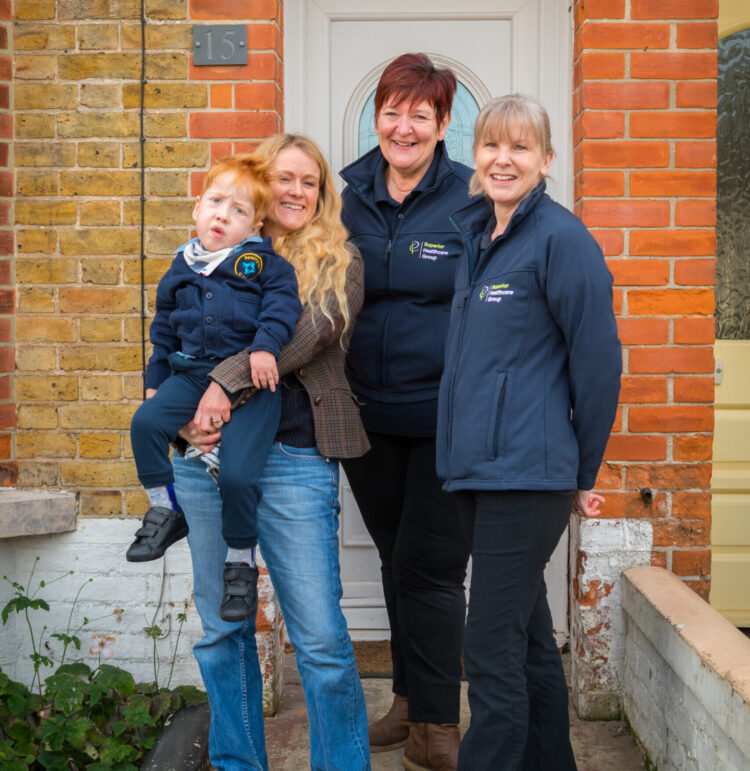
Types of children's complex care
Our nurse-led team offers tailored, at-home complex care for children and respite for families – whether it’s day or night care, 24-hour nursing care, or student support, we can help. We offer:
- Day or night care
- 24-hour care
- Live-in care
- Student support
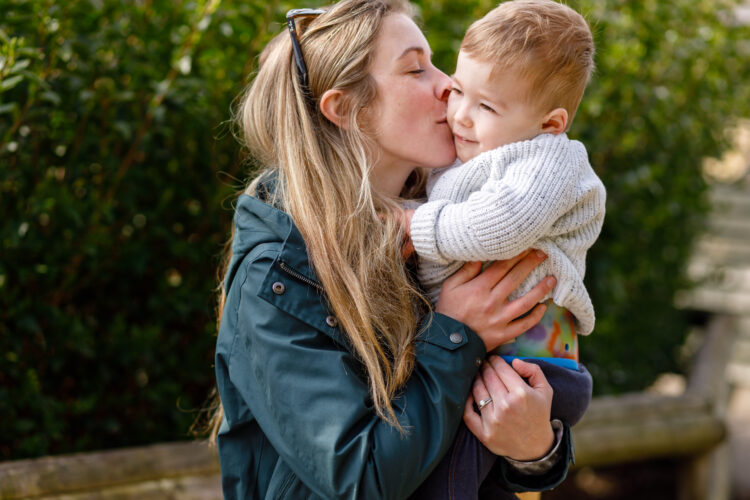
Expert paediatric team
Our children’s complex care team is expertly trained to support children and young people with:
- Tracheostomy and/or ventilator (BiPAP/CPAP)
- Suction and cough assist devices
- Gastrostomy/jejunostomy tubes
- Seizure management
- Medication needs
- Full moving support. and personal care
- Positive behaviour support
Child-specific training
Drawing from our CEO’s personal experience, we recognise that having a care team in the family home can be challenging.
That’s why, we provide extensive support to our care team, including client-specific training from our in-house clinical educators, to ensure that children, families, and their care teams are set up for success.

How we arrange complex care for children
When commissioning Superior Healthcare to provide care for a child or young person with complex care needs, a Nurse Manager is appointed to oversee the care package.
Working collaboratively alongside the child or young person, family, and professional partners, we create a care package with the child’s clinical needs, wants, and goals at the centre.
Our primary goals in paediatric care are:
- To ensure that children who require complex care can live safely in the comfort of their family home, in a loving, nurturing, and safe environment
- To support young people with complex health needs to live safely at home and access opportunities further afield like specialist hobbies or college, with the support of a trained team of carers and nurses

Tailored support plan

Handpicked specialist team

Meeting care needs
Benefits of fully managed paediatric care
Superior Healthcare creates sustainable complex care packages that our clients can rely on 24 hours a day, 365 days a year.

Collaboration
We work closely with those involved providing complex care including:
- Families
- Schools
- Funding bodies
- Social workers
- Case managers
- Solicitors
- Healthcare professionals
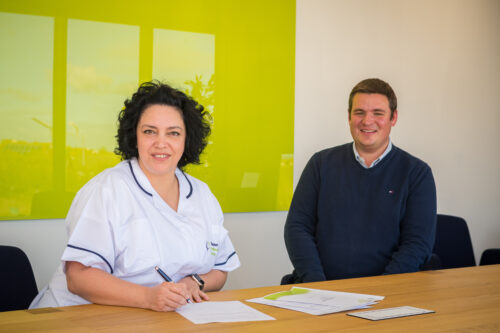
Nurse managers
A dedicated Nurse Manager, located within 45 minutes of the client, ensures that care plans and the team’s training are up to date.
Our branch structure, which includes team leaders, field care supervisors, and nurse managers, provides a trained and familiar backup team who are ready to step in at short notice if needed. This ensures continuous, high-quality care, respected preferences, and client safety.

Helping families
We have helped families by arranging essential equipment like hospital beds, hoists, and mobility aids.
We can also improve home comfort by providing items such as ergonomic chairs and desks for the care team and installing low-level lighting to create a soothing nighttime environment. This ensures both the care team and children have what they need to be comfortable.
Client testimonials
Discover why families across the UK trust us with their children’s home care.
Hear from Ezra’s mum, Portia. Ezra, a seven-year-old with spinal muscular atrophy type 1, receives 24-hour nursing care. Our dedicated team of paediatric nurses supports him during school and looks after him at night while his parents rest.
Read Ezra’s case study in full.
Make a referral
Are you an individual looking for a care package for your child?
If your care package is commissioned by an NHS integrated care board ICB, a county council, or by a Case Manager or Financial Deputy, we can talk to them about moving to us today.
Alternatively, call us at 01227 774873
Complex care for children FAQs
Here are answers to common questions about our children’s complex care service. If we still haven’t answered your question, the best way to learn about our paediatric care packages is to call us at 01227 774873
How do I pay for care?
Superior Healthcare supports people and their families who are self-funding their care or using a personal health budget.
If your care package is commissioned by the NHS ICBs, a county council, or Case Manager or a Financial Deputy, we can talk to them about moving to us today.
To enquire about the cost of a package, click ‘Make a referral’ or call us at 01227 774873.
How can I arrange complex care?
It’s important to us to make your transition to working with Superior Healthcare as seamless as possible.
We’re experts in delivering high-quality paediatric complex home care.
Click ‘Make a referral’ or call us at 01227 774873.
How do you work with community partners?
Superior Healthcare works closely with those involved in providing complex care for children and young people, including:
- Families
- Schools
- Funding bodies
- Social workers
- Case managers
- Solicitors
- Healthcare professionals
We collaborate with the healthcare professionals, multidisciplinary teams, therapy providers, and community support services involved in providing the child or young person’s care, including specialist hospitals like Evelina London Children’s Hospital, Great Ormond Street Hospital, and Guy’s and St Thomas’ Hospital.
The level of care we provide is planned in collaboration with everyone involved and ensures an integrated approach to our fully managed paediatric complex care services. In our experience, combined efforts result in a higher level of person-centred care and positive outcomes for the child and their family.
What does ongoing support from nurse managers entail?
We know that having a strong, ongoing relationship with the families we support is the key to a successful care package. By keeping our paediatric nurse managers’ case-loads at a manageable level, we ensure that they have the time to support their client’s and team members.
At minimum, our paediatric nurse managers will oversee:
- A monthly face-to-face client meeting
- Updates regarding care needs, assessments, and other documentation every six months.
- Employee supervisions for each team member every three months.
- A direct observation of practice with each team member every six months
- Two team meetings per year
- Accompanied meet and greets with any new team members
- The sign-off of all care team members’ competencies
How do you support rehabilitation?
We strive to achieve successful rehabilitation outcomes where possible for children following a life-altering incident.
We take pride in knowing that the quality of our service has led to a reduction of care required by our clients.
For information on how we support children’s rehabilitation, call us at 01227 774873.
How do you train and retain your care teams?
All our team members receive a five-day, in-depth, classroom-based training syllabus with practical workshops before being introduced to our clients and families.
The training covers all aspects of the Care Certificate and includes detailed instruction on the skills required to support complex client needs, such as tracheostomy management and gastrostomy. Individual, client-focused training continues after the initial classroom induction.