Child to Adult Care Transition: Tia Moves Into Chalkway

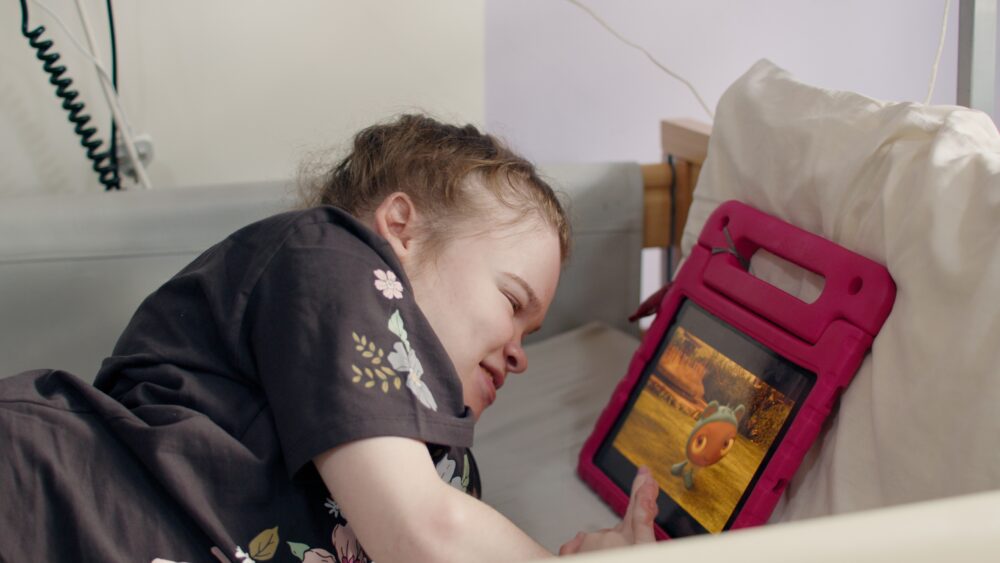
Moving from children’s complex care into adult services is never just a change of address. It’s a huge emotional shift for everyone involved.
For the young person, it can mean stepping into a more independent stage of life while still needing highly specialised support.
For families, it often comes with a mix of pride, worry, relief and uncertainty all at once – and for the care teams supporting that transition, there’s a real responsibility to make sure nothing feels clinical, rushed or disconnected.
For Tia, moving into Chalkway marked a life-changing moments
Transitions in complex care carry a weight that people outside the sector don’t always see. Families have often spent years building routines, advocating for care, managing appointments and creating a world that feels safe and predictable. By the time a young person reaches adulthood, the people around them know every detail – what comfort looks like, what anxiety looks like, what a good day looks like.
That’s why moving into an adult setting has to be about more than meeting clinical needs. It has to feel right emotionally too.
Care with dignity
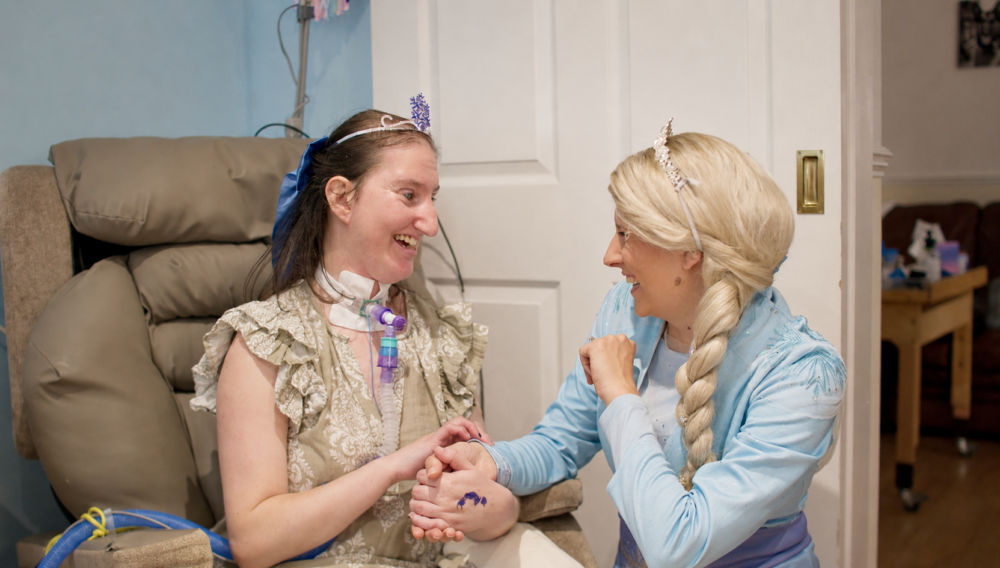
Tia’s move into Chalkway is about creating a future that supports her as an adult while still recognising the person she has always been. It’s about making sure care continues with dignity, familiarity and warmth, rather than feeling like a system handover.
Moments like this also affect families deeply. Even when a move is the right next step, there’s often a sense of letting go alongside the excitement. Families are trusting a new environment, new routines and new people with someone they know better than anyone else in the world. That trust is earned over time, through consistency, communication and genuine relationships.
The emotional side of change
The care team plays a huge role in that process too. Complex care transitions involve careful planning, collaboration and patience. Teams need to understand not only the clinical side of support, but also the emotional side of change. Every detail matters — from communication styles and sensory needs to routines, preferences and how someone likes their day to flow.
That’s what makes environments like Chalkway so important.
Chalkway has been designed specifically for people living with profound and complex needs, combining specialist accessibility with spaces that genuinely feel like home. The environment includes wheelchair-accessible bedrooms, sensory spaces, therapy areas and communal environments designed to support wellbeing, independence and connection.
But what stands out most is the thinking behind it.
Chalkway reflects a growing understanding within complex care that adulthood should still come with opportunity, community and individuality. People with high levels of need still deserve spaces where they can build friendships, enjoy shared experiences, access meaningful activities and feel part of something bigger than their care package.
Lived family experience
That approach sits at the heart of Superior Healthcare and its wider philosophy around complex care. Founded through lived family experience, the organisation has long focused on creating care that fits into people’s lives, rather than expecting people to fit around services.
The reality is that adult complex care transitions can feel daunting. They involve clinical planning, emotional adjustment and a huge amount of trust. But when they are handled properly, they can also open the door to greater independence, stability and quality of life.
For Tia, moving into Chalkway is not simply about leaving one stage behind. It’s about beginning another with the right support around her – a support system that includes family, carers and a community built to help her thrive.
And for everyone involved in making that happen, that matters enormously.
Latest news articles
More articles like this...