Portia Thorman Sends Message of Hope to Jesy Nelson

When Jesy Nelson recently spoke about her twin daughters being diagnosed with Spinal Muscular Atrophy (SMA), her honesty struck a chord with families across the UK who know the condition all too well.
By sharing her experience so early, Nelson has helped shine a light on the realities of SMA; the fear that comes with diagnosis, the urgency of treatment, and the importance of early awareness.
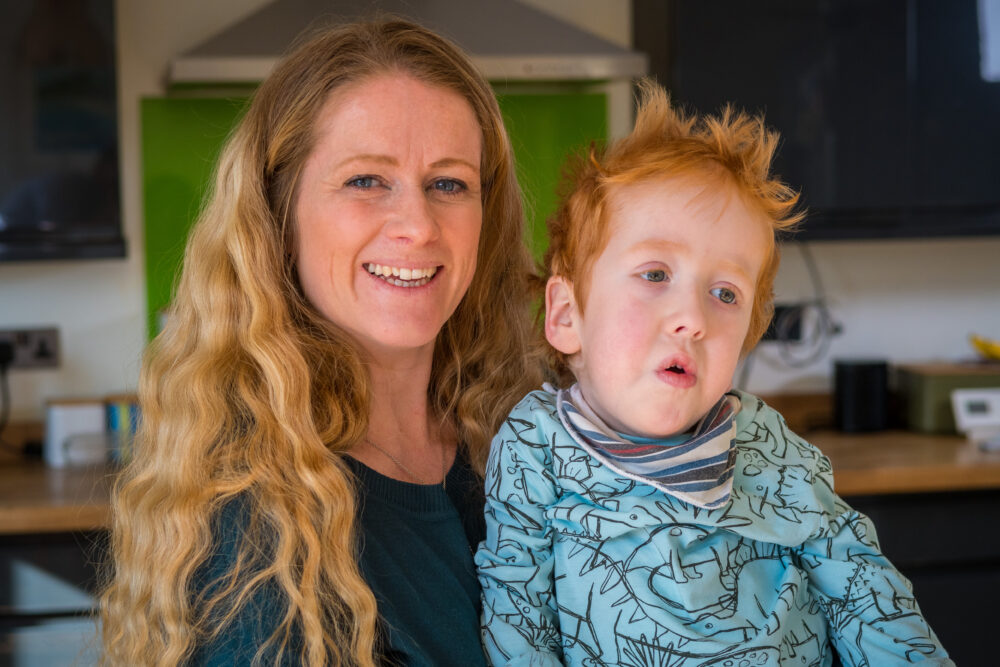
For Portia and her son Ezra, this conversation is not new. It is one they have been living with for almost a decade. Portia has sent Jesy Nelson a message of hope in this Mirror article.
Ezra’s Journey With SMA
Ezra was diagnosed with SMA as a baby, at a time when understanding of the condition – and the options available – looked very different to today. Like many parents, Portia was suddenly navigating a rare diagnosis while trying to understand what the future might hold for her child.
Over the years, Ezra’s needs have evolved, requiring carefully planned, specialist support at home.
Superior Healthcare has been part of Ezra’s care for many years, supporting him and his family with tailored, complex care that adapts as his condition and circumstances change.
This continuity has allowed Ezra to remain at home, surrounded by familiarity and stability, while receiving the level of care his condition requires.
For Portia, that consistency has been central to Ezra’s quality of life — not just clinically, but emotionally and socially too.
A Message of Understanding to Jesy Nelson
In recent coverage, Portia shared a message of reassurance for Jesy Nelson, to acknowledge how far care and treatment have come.
Her message reflects lived experience: while SMA remains a life-changing diagnosis, early intervention, specialist treatment and the right long-term support can make an enormous difference. Families today are navigating SMA in a very different landscape than those who faced it even ten years ago.
Why Awareness and Early Diagnosis Matter
SMA is a genetic neuromuscular condition that affects motor neurons, leading to muscle weakness and physical challenges that vary in severity. In the most severe types, symptoms can appear very early in life, making prompt diagnosis and treatment crucial.
Jesy Nelson has used her platform to call attention to the potential benefits of newborn screening for SMA: something many families, including Portia’s, strongly support.
Earlier identification can mean earlier access to treatment, clearer pathways of care and more time for families to prepare and plan.
Life Beyond the Headlines
Public attention can bring much-needed awareness, but day-to-day life with SMA happens quietly – in homes, schools and care settings, shaped by routines, relationships and long-term planning.
Ezra’s life is built around that reality. His care involves not only medical and physical support, but patience, trust and understanding from those around him. Receiving consistent care from people who know him well has helped him maintain routines and continue doing the things that matter to him.
For Portia, this kind of support is not about visibility or recognition — it’s about ensuring her son has the best possible life, on his own terms.
A Shared Conversation
Jesy Nelson’s decision to speak openly has helped broaden public understanding of SMA, and stories like Ezra’s add depth to that conversation.
Together, they show the importance of listening to families with lived experience, and of recognising that behind every diagnosis is a child, a parent, and a long-term journey shaped by care, resilience and support.
Latest news articles
More articles like this...